Physical Address
304 North Cardinal St.
Dorchester Center, MA 02124
Physical Address
304 North Cardinal St.
Dorchester Center, MA 02124

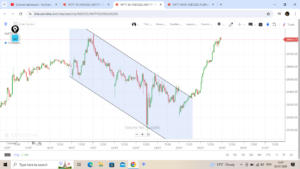 Options trading, often touted for its ability to generate high returns, can be a tough endeavor for even seasoned investors. Unlike straightforward stock trading, options involve complicated processes, market conditions and complicated mathematical models that can be daunting to navigate This is where options trading is considered complex. 1. Complex strategies Options trading isn’t just about buying and selling. This includes techniques such as the spread, straddle, neck neck, and steel condor. Each strategy has risk and reward factors, which traders need to understand not only the basics but also the nuances of each strategy. Choosing the wrong strategy in the wrong market conditions can lead to huge losses. 2. Time is running out The distinctive feature of options is that they are time-sensitive. Unlike stocks, options have an expiration date, which means they lose value as the expiration date approaches—a concept known as decay time Understanding how time decay affects option value is important, however it’s hard to. If the trader doesn’t underestimate the decay period, they may hold the option too long, causing a significant loss in value. 3. Instability Option prices are highly influenced by volatility, which strongly influences the expected movement in the price of the underlying asset. While change can create profit opportunities, it also comes with some uncertainties. Sudden increases or decreases in volatility can cause rapid changes in the value of a channel, making it difficult to predict accurate results. 4. Price models The value of options depends on sophisticated mathematical models such as the Black-Scholes model. This model considers several factors, e.g like theta , gamma, vega etc.. more soon.